


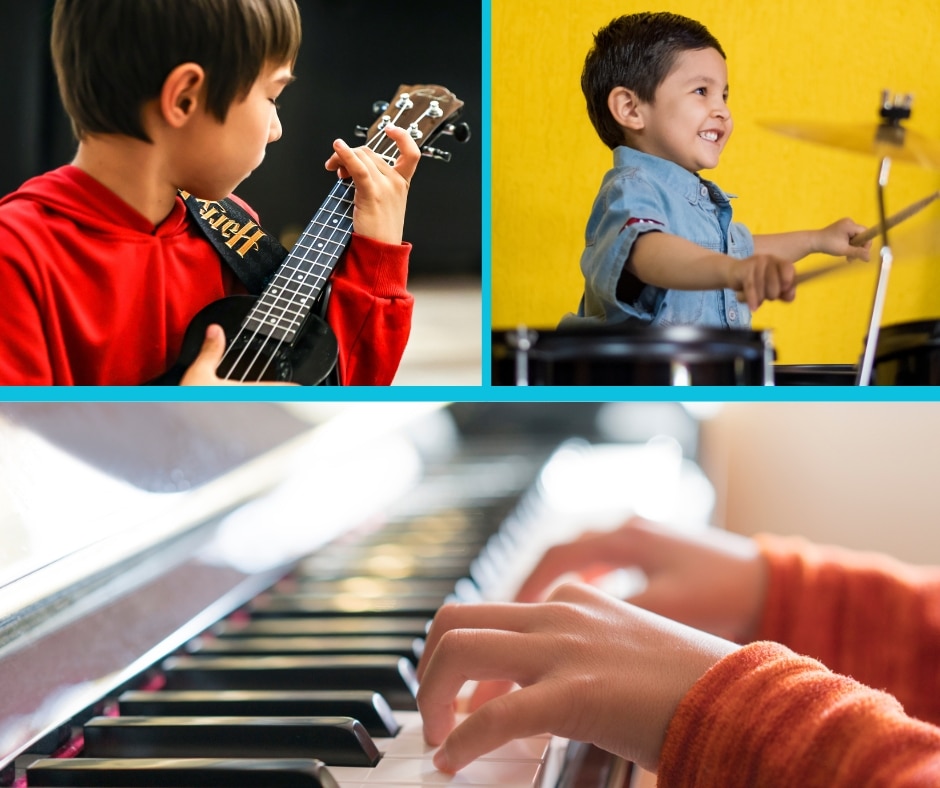
Teaching Improvisation To Young Musicians
Teaching improvisation to young musicians is a powerful way to nurture creativity, confidence, and musical intuition. Unlike rote learning or strict adherence to written scores, improvisation invites students to engage with music more personally and spontaneously. It shifts the focus from simply playing the “right” notes to expressing ideas and emotions through sound. This approach not only deepens musical understanding but also helps students develop a stronger connection to their instrument and their unique musical voice.
One effective method of teaching improvisation is through simple, structured activities. For example, using call-and-response exercises, teachers can demonstrate a short melodic phrase and encourage students to respond with their own. This builds listening skills and fosters a sense of musical dialogue. Working within limited parameters—such as using only a few notes or a particular rhythm—can help beginners feel less overwhelmed and more willing to take creative risks. Over time, as students gain confidence, these boundaries can be gradually expanded.
Teaching improvisation also offers valuable opportunities for collaboration and peer learning. In group settings, students can improvise together, learning to support each other musically while developing ensemble awareness. These shared experiences often spark excitement and a sense of community among young musicians. Teachers can encourage discussion and reflection after each session, guiding students to articulate what they heard, felt, or discovered in their improvisations, reinforcing both technical and emotional growth.
Ultimately, teaching improvisation is about cultivating curiosity and playfulness in music-making. It helps young musicians become more versatile and adaptive, qualities that are essential in all styles of music. By normalizing exploration and even mistakes as part of the learning process, educators empower students to trust their instincts and take ownership of their musical journey. With consistent encouragement and thoughtful guidance, improvisation can become not just a skill, but a central part of how students experience and enjoy music.