


Benefits of Teaching Ballet To Children
Teaching ballet to children is a unique and rewarding experience that combines artistic expression with physical development. At its core, ballet introduces children to the fundamentals of dance, including body alignment and coordination. For many young students, ballet classes provide their first exposure to structured movement and discipline. This helps them develop a sense of rhythm and spatial awareness. The emphasis on technique and form in ballet can foster a strong foundation for other physical activities and enhance overall motor skills
Providing An Encouraging Learning Environment
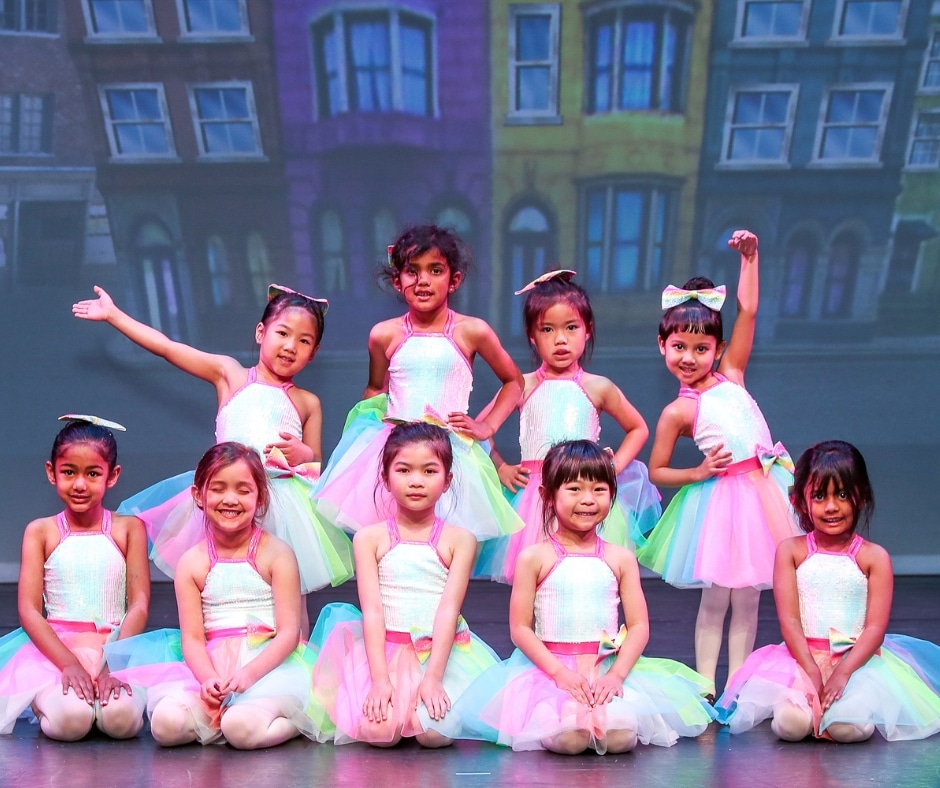
Creating a positive and engaging learning environment is crucial when teaching ballet to children. Instructors often use creative approaches to keep young students interested and motivated. Incorporating games, storytelling, and playful exercises helps make the learning process enjoyable while reinforcing ballet’s fundamental principles. Encouraging children to express themselves through dance allows them to build confidence and a love for the art form. Participating in dance recitals also helps students to build confidence and give them a sense of accomplishment. By building on their skills through their ballet classes dancers are well-prepared to have a successful performance.
Emotional and Social Development
Moreover, teaching ballet to children goes beyond just physical training; it also contributes to their emotional and social development. Ballet classes offer children opportunities to work collaboratively, follow instructions, and develop patience and perseverance. As they progress and see their improvement, children gain a sense of accomplishment and self-esteem. The discipline and dedication required in ballet can teach valuable life skills, such as goal-setting and resilience, making it a holistic experience that benefits children both inside and outside the dance studio.
Performance Preparation
Preparing students for a dance recital involves a blend of rigorous practice, emotional support, and organizational strategies. Begin by establishing a structured rehearsal schedule that allows ample time for students to perfect their routines while balancing their academic and personal commitments. Encourage students to set small, achievable goals for each practice session to build their confidence gradually. Foster a positive and supportive environment by providing constructive feedback and celebrating small victories. Additionally, involve students in the preparation process by discussing costume choices, stage etiquette, and performance expectations. This comprehensive approach not only enhances their technical skills but also helps them manage the pressures of performing, ultimately ensuring they are ready to shine on recital day.